
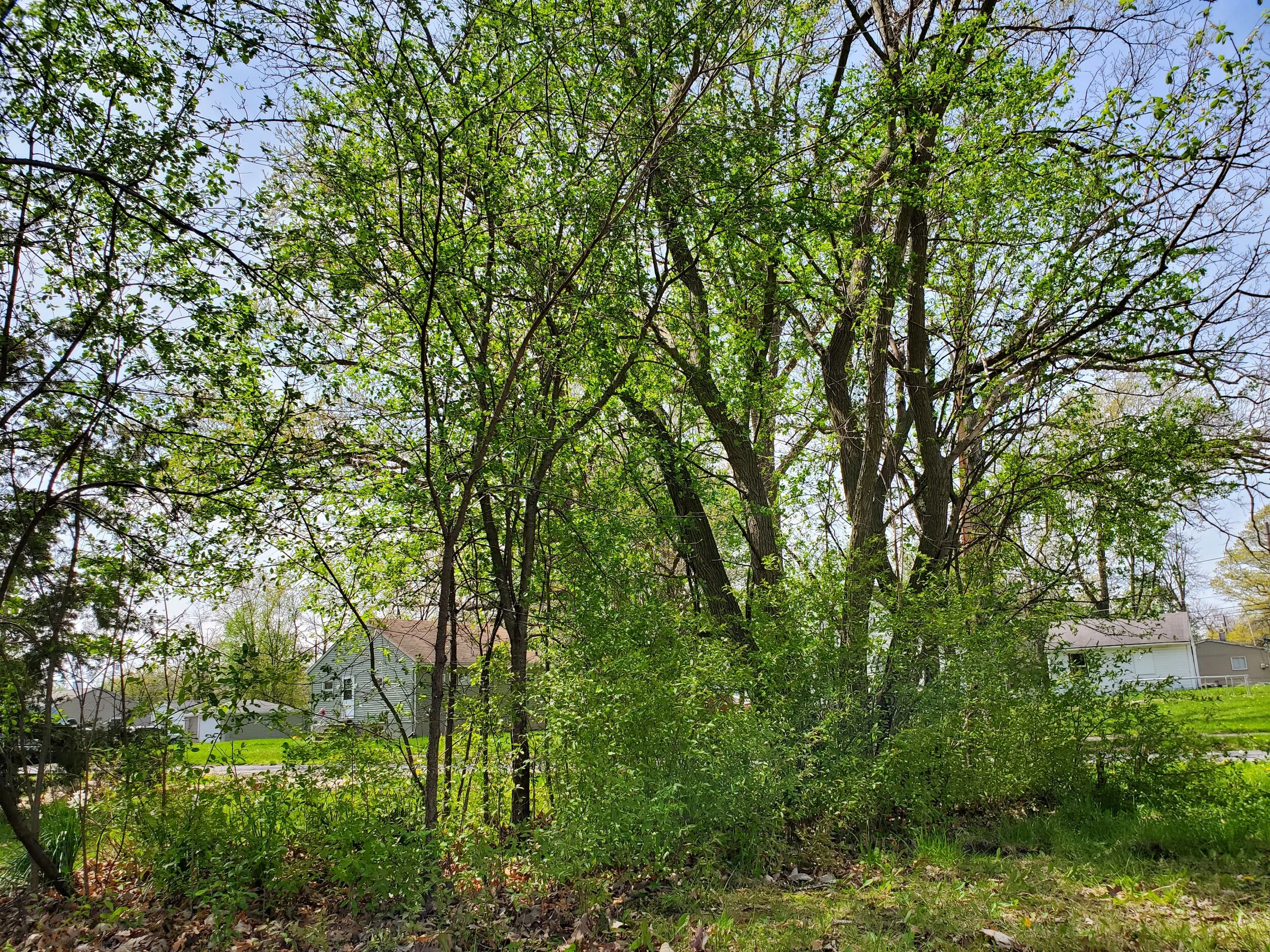
This is what the entire property line looked like before I started.
Because I want the Orchard to be a pollinator haven, removing the invasive species and replacing them with native trees and shrubs has been at the top of my to-do list. So much so that after removing about 60% of the invasive I found out about a beautification grant program hosted by the Southwest Area Partnership (SWAP). Not only did I apply, but I was approved to have 50% of my costs of purchasing natives reimbursed up to $300! How awesome is that?!
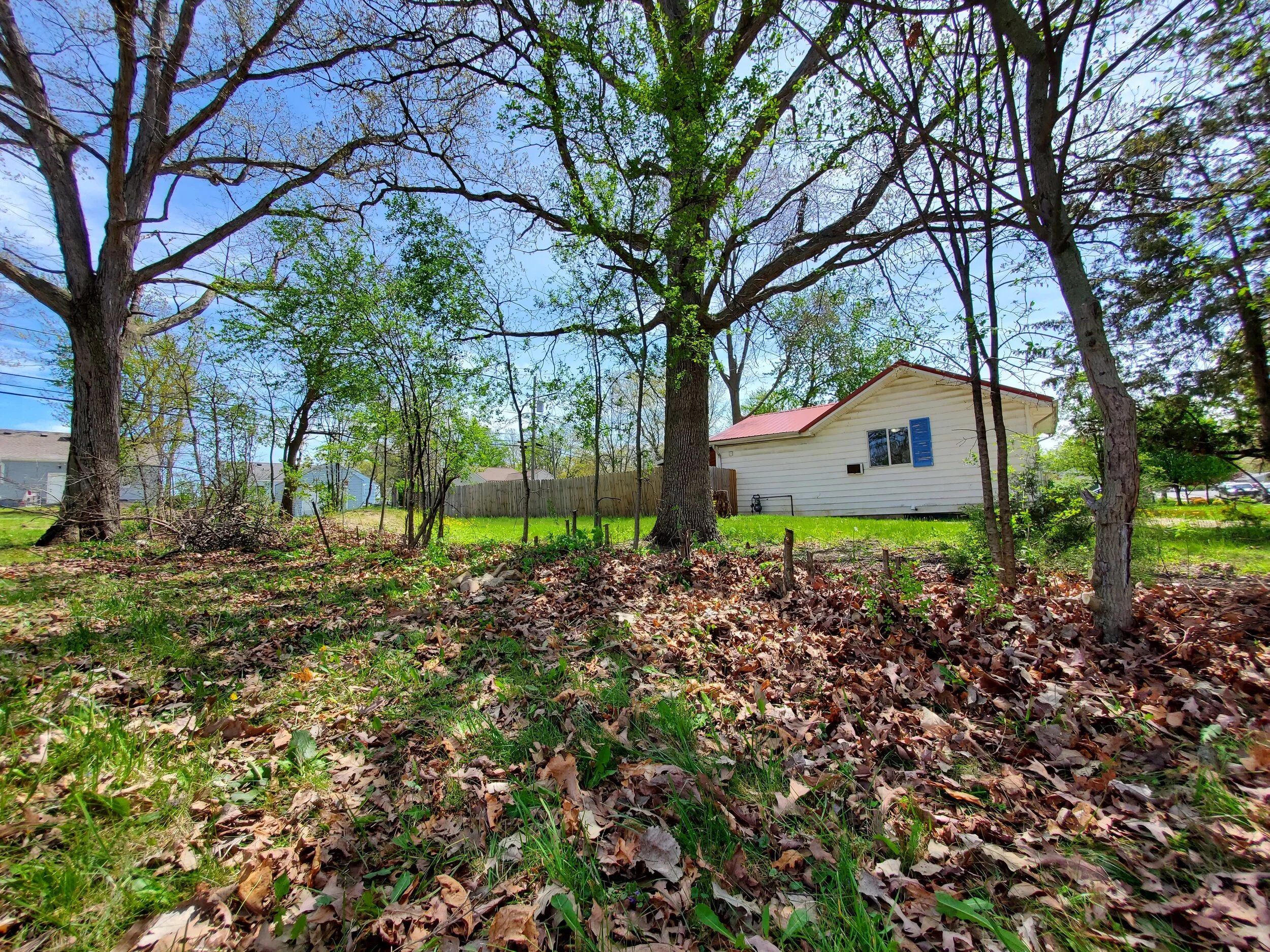
Here’s how its looking so far.
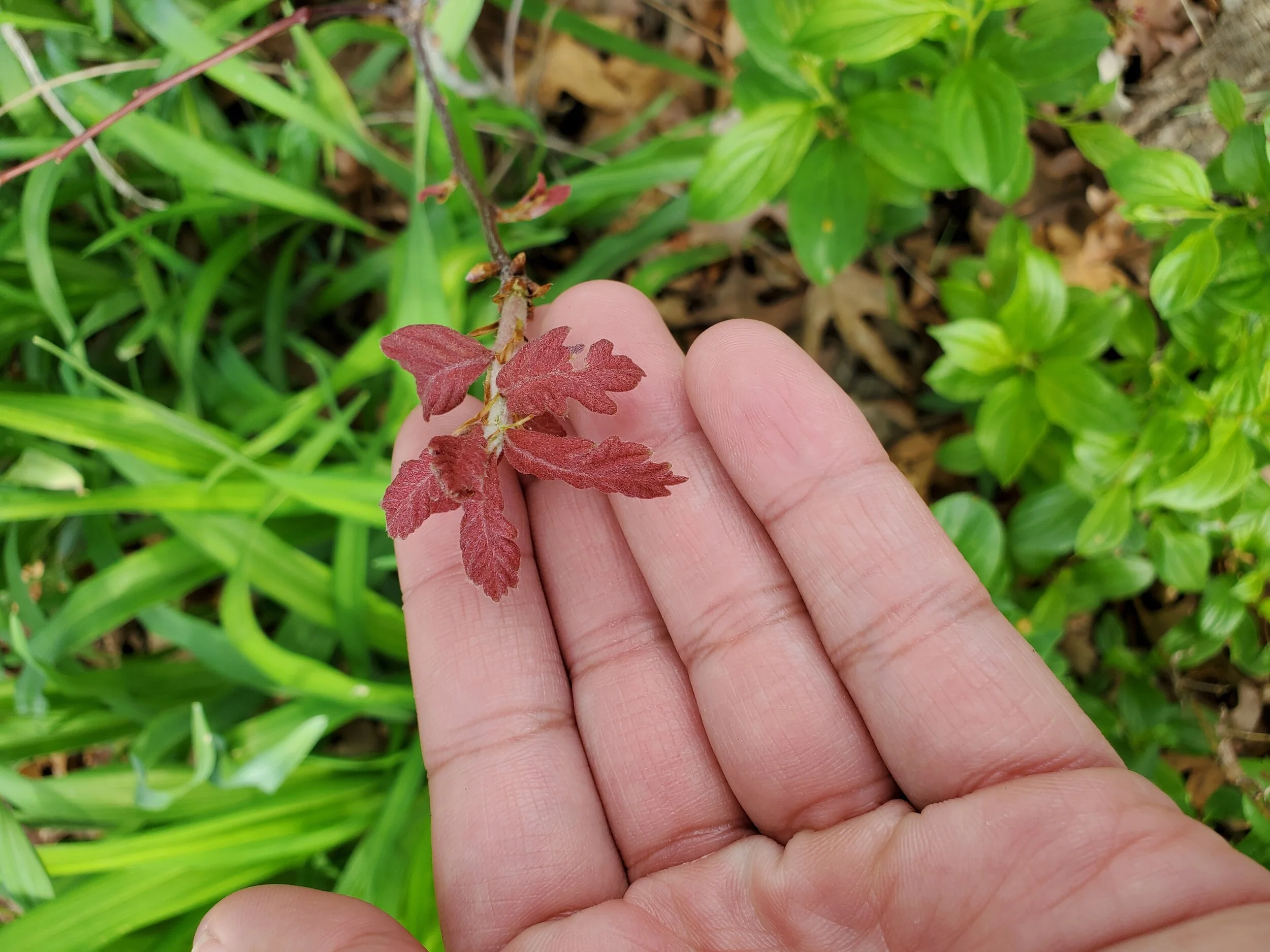
In addition to some sections of rusty fence, I found another native flower and some saplings trying to thrive under all the honeysuckle and buckthorn. While I was there working, one of my new neighbors stopped by to say he appreciated the work I was doing to improve the condition of the lot and was excited to hear about my future plans. He seriously made my day.
I still have a lot of work to do because my hand loppers couldn’t cut down anything larger than 2 inches in diameter. So I’ll need to go back in with a chainsaw to clear out the rest. After cutting down the shrubs and trees I applied a stump killer with a paintbrush. I could have sprayed the herbicide onto the foliage of the honeysuckle but I chose not to for a few reasons. Using a paintbrush allowed for very precise application vs the herbicide drifting onto plants I want to keep (it was very windy). In addition to that, I’m going to designate a section of the lot to be used for decomposing organic material. So everything I’ve cut down can be used by wildlife and beneficial insects until it becomes soil again.
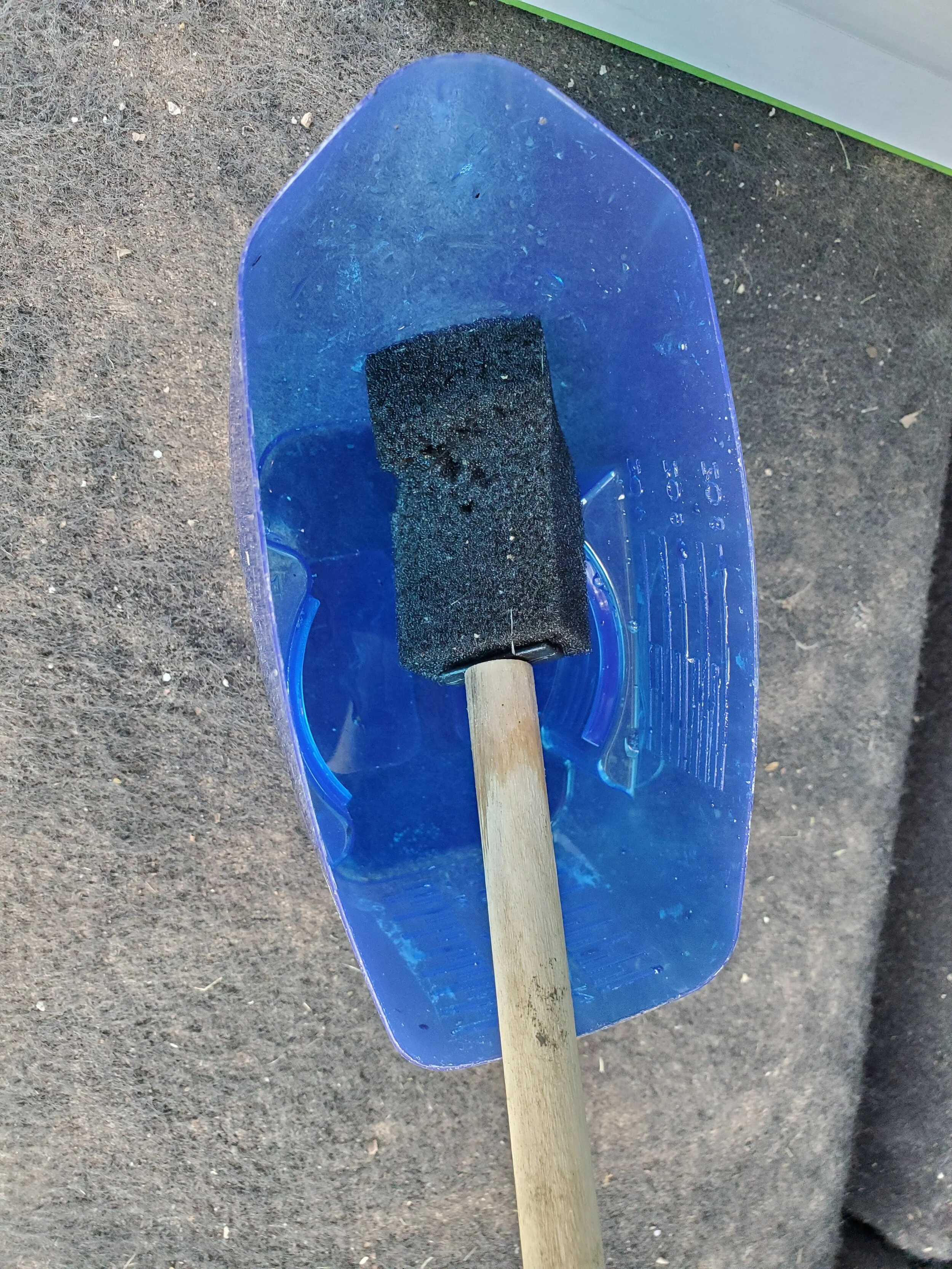

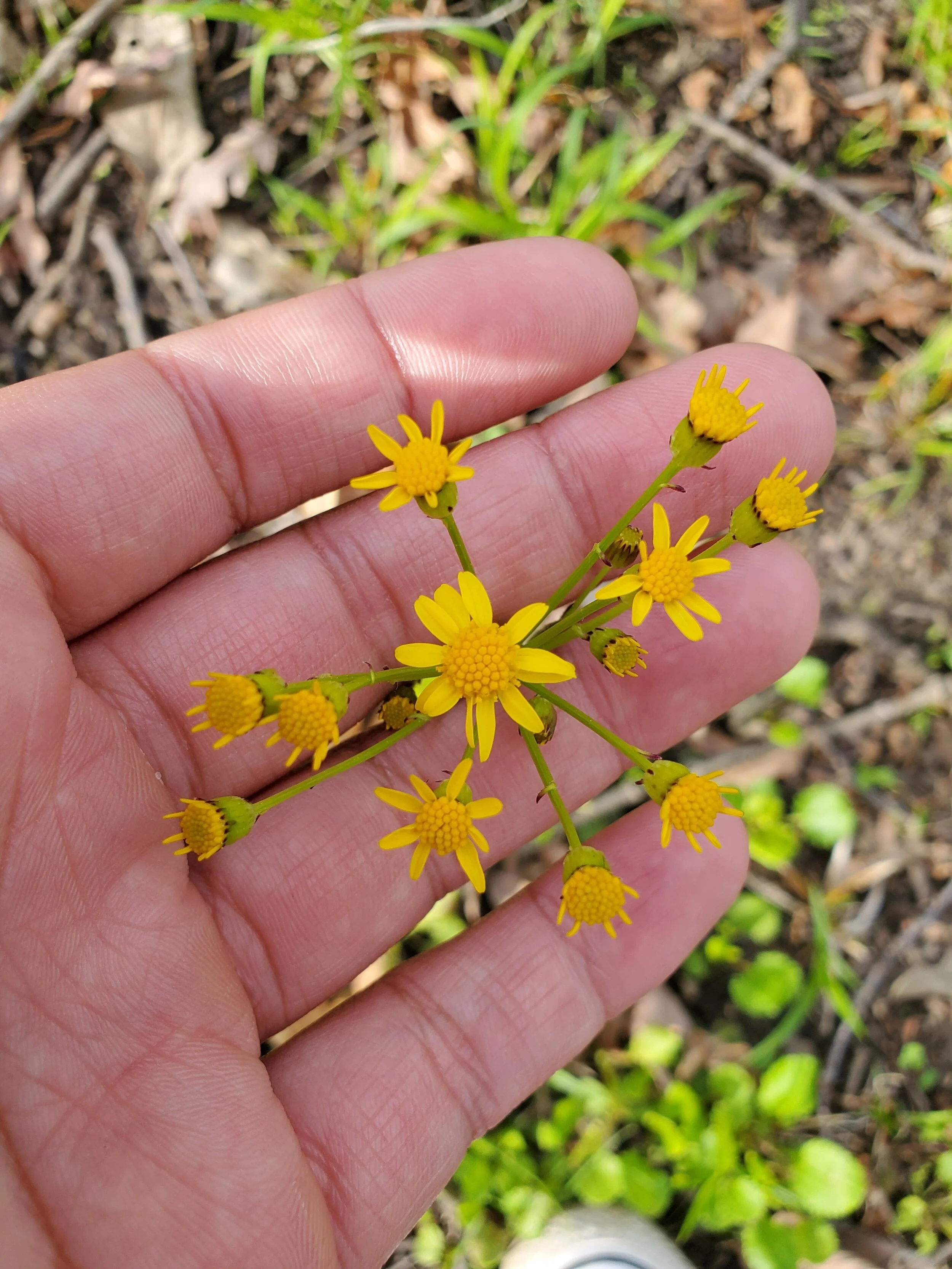
PHOTOS L to R:
I used the cap of the herbicide and a small foam paintbursh to apply it to the sumps.
A yard sign I installed with a QR code so people can read my blog if they’re curious.
Native basalm ragwort.
Oak sappling.